Cambridge

Cambridge Landscapes: garden design, patios, lawns and fencing in Cambridge

Get your free quote

Answer a few questions about the job. It's free and there is no obligation.

A patio to build, a lawn to lay, a border to plant or a fence to replace: tell us about the job in a few clicks and get a free, no-obligation quote for your Cambridge garden.

  • Free quotes
  • No obligation
  • Fast response
  • Local landscapers

What a landscaper does

Six kinds of work, each marked with the letter you will find on the garden plan below.

Plan of a typical back garden A garden plan with a house, a patio, a lawn, borders, a path, a fence, decking and trees, marked A to F. HOUSE A B C D E F N 0 2 m

A garden on paper first

A good job starts with a plan: where the sun falls, where the water goes and what each part of the garden is for.

  • APatio next to the house, with a firm base so it does not sink or tilt.
  • BLawn in the sunniest part, shaped so the mower can reach every edge.
  • CBorders along the boundaries, deep enough for layers of planting.
  • DFence and gate that mark the boundary and give privacy.
  • EDecking at the far end, where the evening sun arrives.
  • FTrees placed so their shade and roots stay clear of the house.

The ground around Cambridge

What lies under the lawn decides how a garden drains, what grows and how paving must be laid.

GroundWhereWhat it means for the garden
ClayWidespread across the countyHolds water in winter and cracks in a dry summer. Drainage and raised beds make the difference, and paving needs a proper sub-base.
ChalkThe southern edge of the countyThin, alkaline and free-draining. Choose plants that tolerate lime, and add organic matter to hold moisture.
River gravelsAlong the valley of the CamFree-draining and quick to dry out. Mulch and watering matter more than drainage.
PeatTo the north, towards the FensLow and soft, and it shrinks as it dries. Heavy structures need careful foundations.
Gardener in blue overalls digging a heap of dark soil with a spade next to a wheelbarrow

Before the digging starts

Five limits that come up again and again in a garden in England.

These are the usual limits for houses. Flats, listed buildings and homes where permitted development rights have been removed are different. Check with your local council.

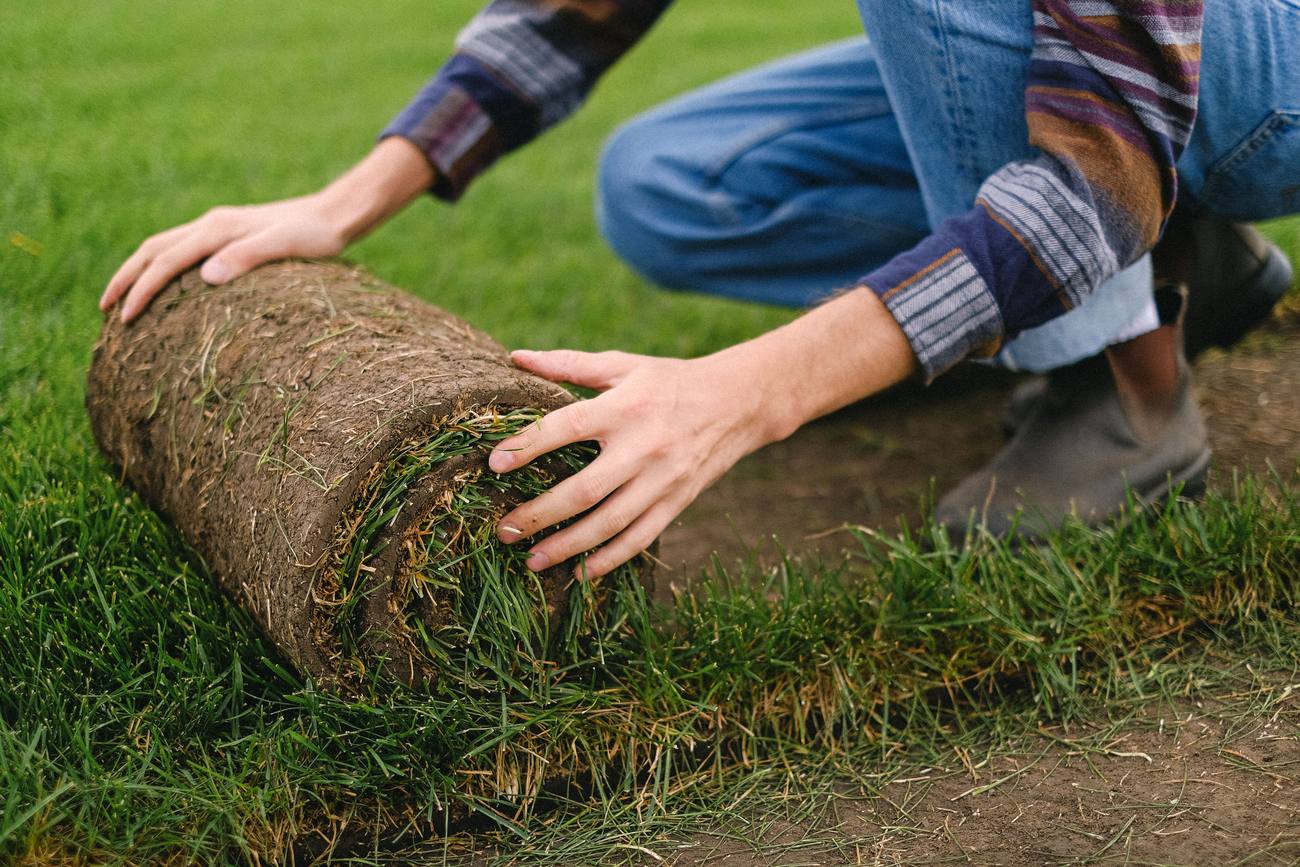
Hands unrolling a roll of fresh turf onto bare soil next to an existing lawn

Turf, seed or artificial grass

Three ways to a lawn, and what each one asks of you.

  • TurfA green lawn within weeks. Best laid in early autumn or spring, on well-prepared soil, and watered every day at first.
  • SeedCheaper and slower. Sow in spring or early autumn, and keep off the lawn for the first six to eight weeks.
  • Artificial grassNo mowing. It needs a compacted sub-base and good drainage, and it can get hot in full sun.

What a patio is made of

The surface is the part you see. The base underneath is what lasts.

MaterialWorth knowing
Natural stoneSandstone, limestone and slate. Each slab is different and lasts for decades. Dearer, and worth sealing.
PorcelainHard and non-porous, so it resists stains and frost. It needs a firm base and the right adhesive.
ConcreteAffordable, in many colours and sizes. It can fade and mark over the years.
Block pavingFlexible, and easy to lift and repair. Weeds can grow in the joints, which need sand topping up.
Resin-bound and gravelPermeable, which helps with drainage. Both need the right base, and gravel can drift.
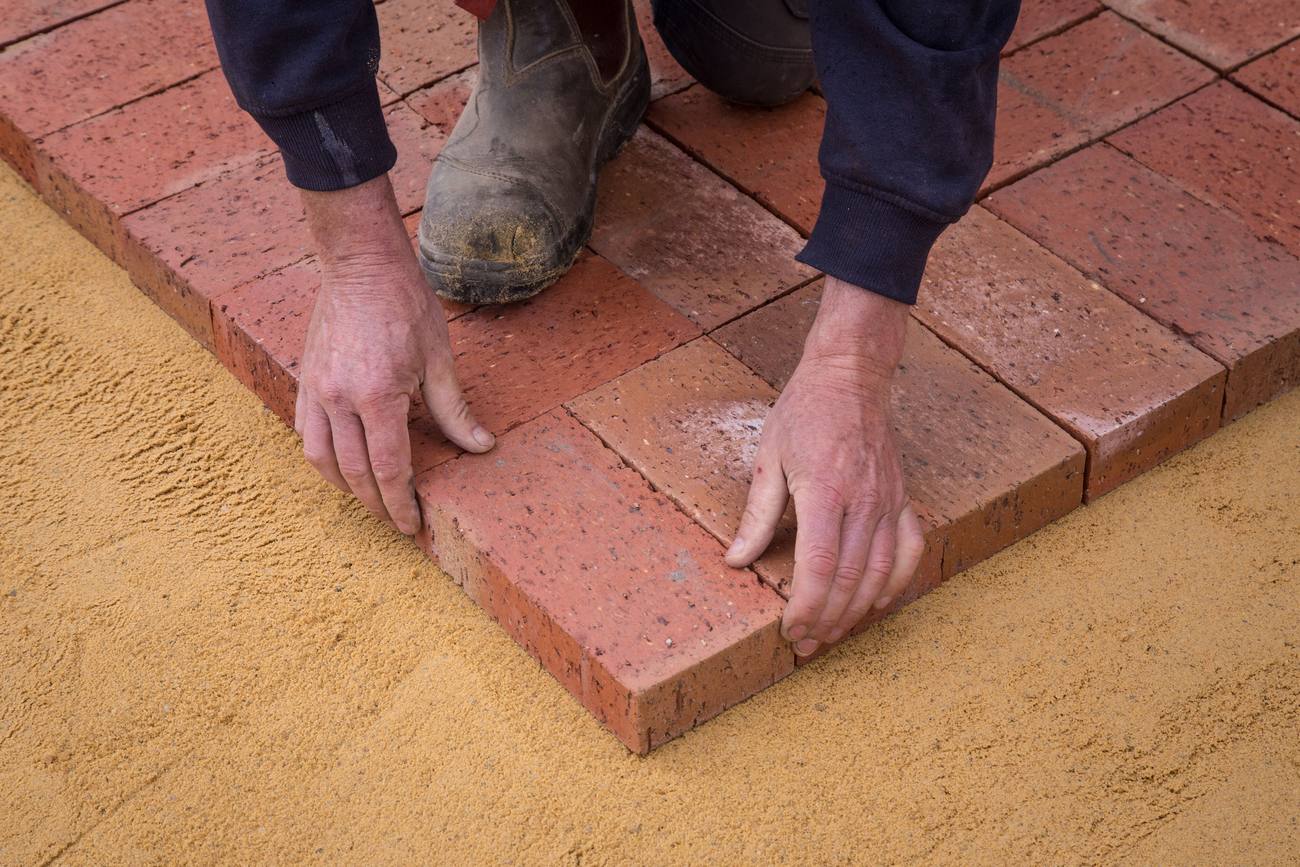
Hands pressing red clay pavers into a herringbone pattern on a bed of sand

A garden through the year

When each kind of work goes best, in an East of England climate that is among the driest in the country.

Where we work around Cambridge

By postcode area, from the city to the villages along the Cam and out to the fen edge.

Frequently asked questions

Early autumn and spring are the most reliable, when the soil is warm enough and moist. Avoid frozen ground and a dry summer, unless you can water every day.

A patio at ground level usually does not, except for the front garden rule on hard surfaces. Decking more than 30 centimetres above the ground does. Listed buildings and some conservation areas have extra rules.

For an average patio, often three to seven days: digging out, laying and compacting the sub-base, then laying the paving and pointing. The size, the materials and the weather change this.

Yes, with the right preparation. The ground is dug out, a compacted sub-base is laid, and a slight fall carries the water away. Laying on soft ground is what causes sinking.

It suits small, shaded or heavily used areas. It needs a proper base and drainage, it can get hot in the sun, and it does nothing for wildlife. Ask what the base is made of.

You must give your local council six weeks' notice first, and a tree with a protection order needs consent. Depending on where you live, that is Cambridge City Council or South Cambridgeshire District Council.

Yes: Cambridge and the villages around it, including Histon, Great Shelford, Sawston, Cottenham and Cambourne. Enter your postcode in the form to start.

Contact us

Thank you, your message has been sent.

A garden job in Cambridge?

Get a free quote, with no obligation.

Get my free quote